Sixteen nations will compete in the Philippines, representing every confederation.
The 16 teams qualified for the FIFA Futsal Women’s World Cup 2025™ reflect the global reach and growing strength of women’s futsal. From traditional football powerhouses to emerging nations, each brings its own story, style, and ambition to the competition.
Argentina clinched their spot at the inaugural FIFA Futsal Women’s World CupTM by reaching the final of this
year’s CONMEBOL Copa América Futsal Femenina.
The Albiceleste were made to dig deep in their last-four contest against Paraguay, overturning a 1-0 half-
time deficit to run out 3-1 winners in an enthralling encounter.
Victory for the Argentinian team in that semi-final showdown secured a fourth appearance in the
competition’s showpiece match. However, they failed to claim a maiden continental crown after slipping to
a 3-0 defeat to powerhouses Brazil, with the hosts bagging a record-extending eighth tournament title.
Brazil will line up in the first edition of the FIFA Futsal Women’s World CupTM as South American champions
after reigning supreme at the CONMEBOL Copa América Futsal Femenina for a record-extending eighth
time in March.
The Brazilians booked their ticket to the 16-team showpiece event in the Philippines by swatting Colombia
aside in a 6-0 success in the semi-finals of the continental competition.
The Seleção maintained their record of having taken the honours in each edition of the Copa América
that they have entered after emerging 3-0 winners over Argentina in the tournament decider. The South
American heavyweights plundered 38 goals and conceded just once in a glorious campaign that featured a
clean sweep of six wins.
Brazil will line up in the first edition of the FIFA Futsal Women’s World CupTM as South American champions
after reigning supreme at the CONMEBOL Copa América Futsal Femenina for a record-extending eighth
time in March.
The Brazilians booked their ticket to the 16-team showpiece event in the Philippines by swatting Colombia
aside in a 6-0 success in the semi-finals of the continental competition.
The Seleção maintained their record of having taken the honours in each edition of the Copa América
that they have entered after emerging 3-0 winners over Argentina in the tournament decider. The South
American heavyweights plundered 38 goals and conceded just once in a glorious campaign that featured a
clean sweep of six wins.
Colombia became the third and final South American team to punch their ticket for the first FIFA Futsal
Women’s World CupTM. The Colombians booked their berth by virtue of the third-place finish that they
posted at this year’s CONMEBOL Copa América Futsal Femenina.
After suffering semi-final heartbreak at the hands of eventual winners Brazil, Las Cafeteras overcame
Paraguay 4-1 in the third-place play-off to secure a spot at the global bonanza in the Philippines.
With ten goals to her name, Nicolle Mancilla’s was the top scorer in the continental showpiece. That feat
came just months after she had been named MVP and topped the scoring charts at last year’s CONMEBOL
Sub 20 Futsal Femenina, in which Colombia tasted glory after squeezing past Brazil on penalties.
IR Iran grabbed the last spot at the inaugural FIFA Futsal Women’s World CupTM by overcoming hosts China
PR 3-1 in the third-place play-off at the AFC Women’s Futsal Asian Cup in May.
The Iranians headed into the continental competition looking to lift the trophy for a third straight edition
after having been crowned in the previous two instalments (in 2015 and 2018). However, they slipped to a
3-2 semi-final reverse at the hands of Japan, who exacted some revenge for the defeats that IR Iran had
inflicted on them in the trophy deciders at the two aforementioned editions.
Maral Torkaman finished the competition as top scorer on six goals, which included a brace apiece in the
semi-finals and the third-place play-off.
Italy bagged one of the four European berths at the inaugural FIFA Futsal Women’s World CupTM courtesy of
their performance in the elite round of the UEFA qualifying tournament in March. The victories over Sweden
and Hungary in their opening two group matches proved to be enough to secure a runners-up spot and a
place at the 16-team bonanza in the Philippines.
The Azzurre waltzed into the elite round in emphatic fashion after topping their main-round group, with
their three outings yielding a trio of victories and 27 goals without reply.
The Italians’ qualification for the global showpiece reflects the upward trajectory that they have been
on over the last two years. In April’s edition of the FIFA Futsal Women’s World Ranking, the European
powerhouses rose a couple of places into sixth.
Japan will travel to the maiden edition of the global showpiece as continental champions after having lifted
their first AFC Women’s Futsal Asian Cup title in May. That trophy triumph came courtesy of a 3-2 penalty
shoot-out success over Thailand after the sides had played out an absorbing final that ended in a 3-3 draw
after extra time.
The Japanese had come off second best to IR Iran in the previous two finals of the continental competition
(in 2015 and 2018), but they exacted some revenge in the last four by securing a 3-2 victory over the Iranians
that booked their ticket to the Philippines.
Two members of the Nadeshiko Five’s squad scooped individual honours at the tournament, with Nene
Inoue recognised as the standout goalkeeper and Sara Oino securing the MVP gong.
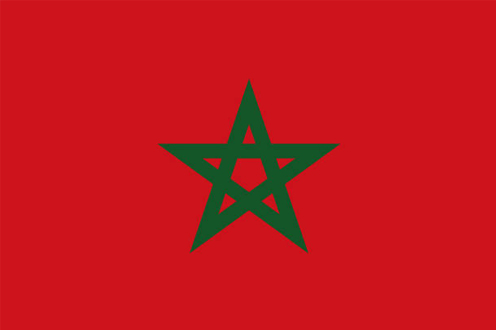
Morocco will head to the maiden edition of the FIFA Futsal Women’s World CupTM as African champions after
having triumphed in the first-ever CAF Women’s Africa Futsal Cup of Nations in April.
The Moroccans achieved the historic feat on home territory in Rabat, where they recorded a 3-2 victory
over Tanzania in a rip-roaring final. The North Africans found themselves 2-0 down before restoring parity
and then conjuring up a winner in the final minute of normal time.
A pair of the Atlas Lionesses’ star performers roared their way to the individual awards at the tournament,
with Jasmine Demraoui named the outstanding player and five-goal Doha El Madani reigning supreme in
the scoring stakes.
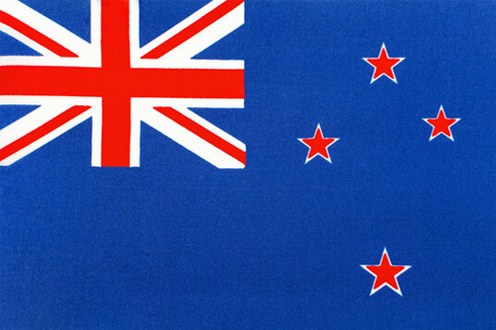
New Zealand became the first team to join hosts the Philippines in the line-up for the inaugural FIFA Futsal
Women’s World CupTM after tasting glory in the maiden edition of the OFC Futsal Women’s Nations Cup
last August.
The Futsal Ferns bagged the continental title courtesy of a resounding 7-1 victory over Fiji. The New
Zealanders emerged victorious in all five of their outings, finding the net 36 times and conceding just three
goals in the process.
The leading light in the Kiwis’ ranks was Hannah Kraakman, who struck six times in five appearances, with
her impressive haul including a brace in the 7-1 rout of Fiji in the tournament decider. The goal-getter’s
displays earned her the Golden Ball award.
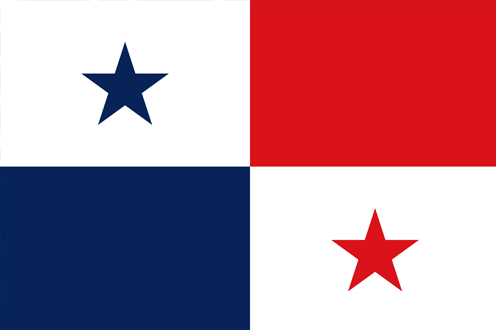
Panama became the first Concacaf nation to qualify for the maiden FIFA Futsal Women’s World CupTM
after seeing off Costa Rica in the first of the semi-finals at the inaugural edition of the Concacaf W Futsal
Championship earlier this year.
A late show featuring Laurie Bautista’s 38th-minute strike and a goal for shot-stopper Nadia Ducreux in the
40th minute secured a 3-1 win for the Panamanians in a last-four encounter that looked to be heading for
extra time.
Las Canaleras failed to reproduce their heroics in the trophy decider, in which they were overpowered by
Canada in an 8-2 defeat. However, the Central Americans left the tournament with their heads held high
after having punched their ticket for the global bonanza in the Philippines.